
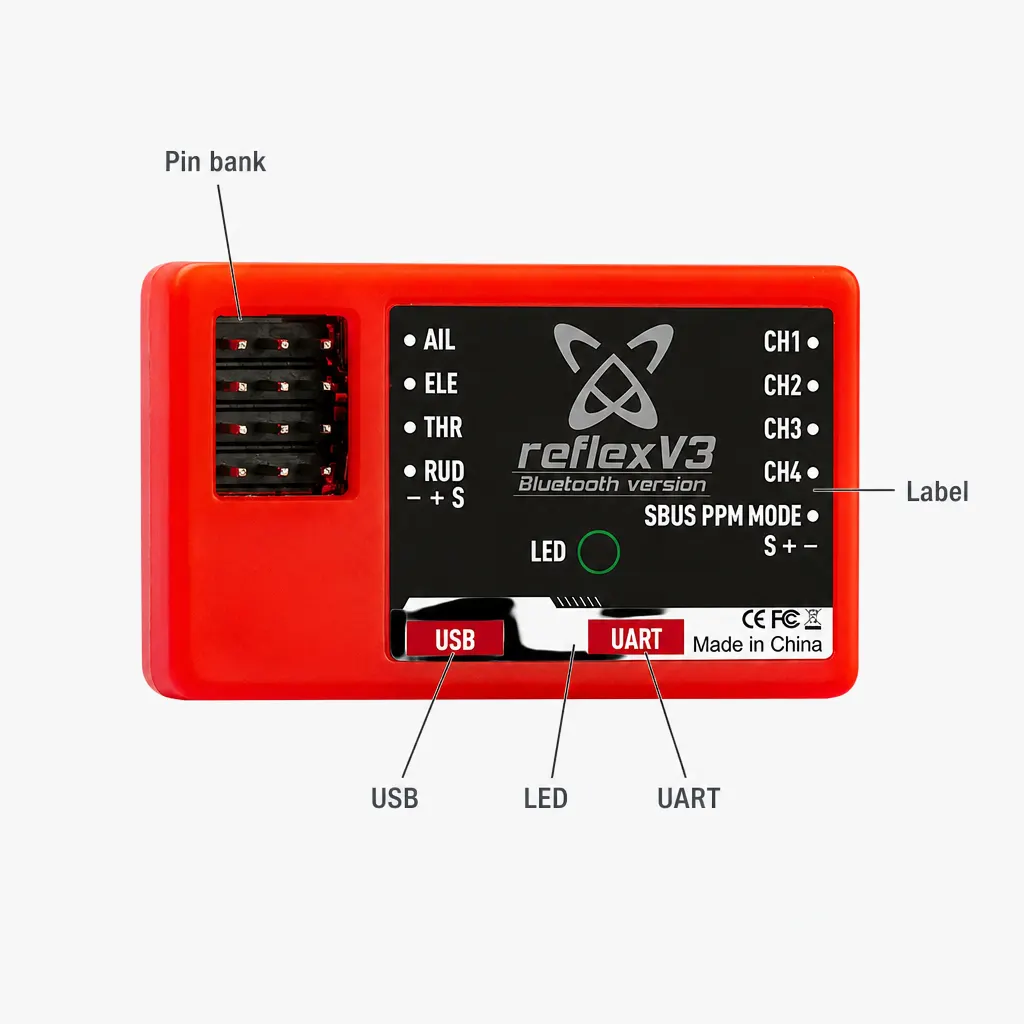
Short answer: An RC plane stabiliser may be considered by a beginner, but it is not a substitute for learning the model, radio system and flying site. The Rcstabiliser product page describes the Reflex V3 as a flight stabilisation system for compatible RC aircraft and says the listed configuration is for most FMS aircraft and aircraft from other brands. It does not state which beginner aircraft, receivers, channels, modes or calibration steps are supported. UK buyers should confirm the exact model before ordering, follow the supplied instructions, seek suitable supervision and check the current CAA requirements for outdoor model-aircraft flying.
Ask whether the beginner problem is actually fitment
A new pilot may be looking for help with orientation, wind, confidence or setup. Those are different needs, and a product page cannot answer all of them. The current listing gives a Reflex V3 system and broad compatibility wording, but it does not claim a beginner mode or describe how the system behaves in a particular trainer.
Before comparing features, identify the aircraft, transmitter, receiver and intended field. A club instructor or experienced pilot can help identify whether the main issue is model choice, radio setup, practice or equipment compatibility.
| Beginner question | Evidence currently available | Do not assume |
|---|---|---|
| What is it? | Reflex V3 flight stabilisation system | That every RC plane is supported |
| Which aircraft? | Most FMS aircraft and other brands are mentioned | That a particular trainer is compatible |
| What does it do for a beginner? | No beginner outcome is stated | That it prevents mistakes or replaces instruction |
| How is it set up? | No procedure is published | That another model's settings will transfer |
Build a simple evidence-led pre-purchase check
The most useful beginner check is a written match between the exact airframe and the product documentation. Keep the request concrete: model, version, receiver, power arrangement and any existing control equipment. If an answer is only based on a similar aircraft, treat it as provisional.
Manufacturer does not specify beginner modes, aircraft weight limits, receiver protocol, channel requirements, mounting orientation, calibration or battery requirements on the current page. Do not buy a setup that depends on one of those missing details without confirming it.
- Choose the exact aircraft and write down its model details.
- List the transmitter, receiver and existing control equipment.
- Ask the manufacturer or seller to confirm the complete match.
- Read and follow the supplied setup instructions before powering the model.
- Ask a competent pilot to review the installation and first flight plan.
Use UK guidance and supervision as part of the choice
The CAA says people flying model aircraft must do so safely and legally, and its registration guidance explains that many outdoor operations require a Flyer ID, an Operator ID or both. These responsibilities remain with the people operating the model.
For a beginner, a suitable club or experienced supervisor can add practical guidance that a product listing cannot provide. Check the current CAA rules, site restrictions and any club procedures before the first flight.
Limits before choosing a beginner stabiliser
Manufacturer does not specify a beginner profile, recovery behaviour, wind limit, response speed, aircraft size range, service life or measured safety benefit on the current product page. A stabiliser should therefore be treated as an equipment option, not a promise of easier or safer flying.
Choose the Reflex V3 only when the exact aircraft and radio configuration are documented as compatible. If the purchase depends on beginner modes, a published wind capability or guaranteed recovery, the current listing does not establish those claims.
Related guides and product details
For a beginner in the UK, match the stabiliser to the exact aircraft and radio system, then rely on supervision, the supplied instructions and current CAA guidance. Read Model Aircraft Gyro for Windy Landings: What to Check for related guidance. Read RC Aircraft Flight Stabiliser for a Trainer Plane for related guidance. Review the documented specification on the Reflex V3 flight stabilisation system for compatible RC aircraft product page before ordering.
Sources and safety context
- Supports the Reflex V3 description, broad compatibility wording and model-check requirement. Current Rcstabiliser product page.
- Supports current UK guidance on Flyer ID and Operator ID requirements. Registering to fly drones and model aircraft.
- Supports the safety context for recreational and sporting model aircraft. CAP 658: Model Aircraft: A Guide to Safe Flying.